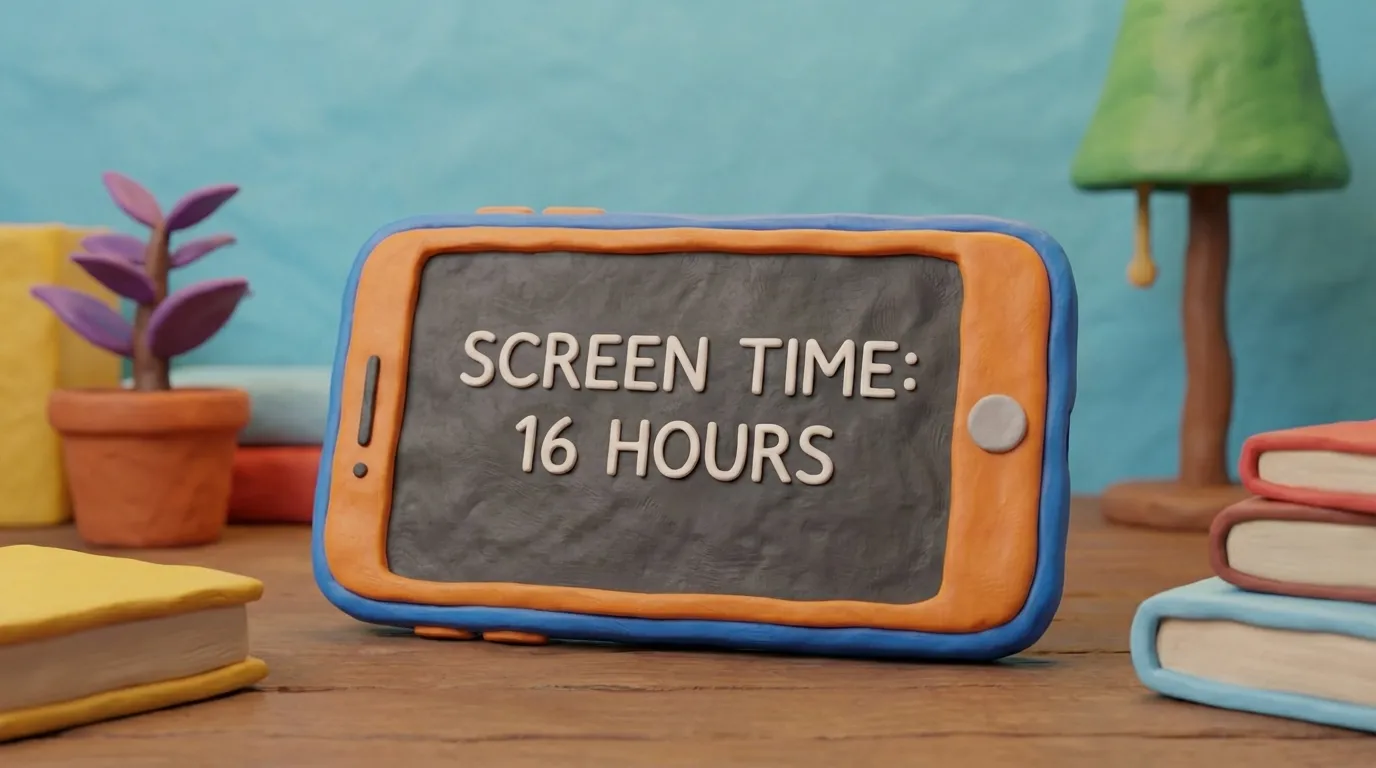
You're tired. Not just physically—spiritually tired. And your screen time is the reason. Here's how blue light, dopamine surges, and bad habits are sabotaging your sleep (and how to fix it in 7 days).
Why Your Phone Is Destroying Your Sleep
Your body runs on circadian rhythms controlled by melatonin. This hormone gets suppressed by blue light. When you're staring at your phone at 10 PM, you're basically telling your brain it's noon. Then you wonder why you can't sleep.
But it's worse than just blue light. Your phone is also flooding your system with dopamine right before bed. Your brain is excited. Your cortisol is elevated. You're essentially taking a stimulant and then expecting to fall asleep.
Most people spend 2-3 hours on devices before bed. No wonder they're exhausted.
The 7-Day Screen-Before-Bed Detox
Day 1-2: No Screens After 8 PM
Sounds simple? It's not. Your evening routine probably revolves around your phone. Reading in bed? Gone. YouTube? Gone. Just… nothing.
Day 3-4: Boredom Hits Hard
You'll actually feel the emptiness. Sit with it. Read a physical book. Talk to someone. Stare at a wall. Your brain needs to remember how to be bored.
Day 5-6: Sleep Starts Improving
You'll notice you're falling asleep faster. You're sleeping deeper. You're waking up less during the night. This is what normal sleep feels like. Most people forgot.
Day 7: New Baseline
By now, your melatonin production has normalized. Your sleep cycle is resetting. You actually feel rested.
What Changes in Your Sleep
| Metric | Before Detox | After 7 Days |
|---|---|---|
| Time to fall asleep | 30-60 minutes | 10-15 minutes |
| Sleep quality rating | 4/10 | 7-8/10 |
| Times waking per night | 3-5 times | 0-1 times |
| Morning grogginess | Severe | Minimal |
| REM sleep quality | Poor | Excellent |
| Dreams vividness | Fuzzy/forgotten | Crystal clear |
| Next-day energy | Exhausted | Actually rested |
The Science (Made Simple)
Blue light suppresses melatonin for up to 2 hours after exposure. Dopamine surges take 4-6 hours to normalize. Your anxiety increases because your brain thinks it's the middle of the day. You lie in bed wired, frustrated, checking your phone "just to relax"—which makes everything worse.
A 7-day screen detox before bed gives your body time to remember its natural rhythms. Melatonin production increases. Cortisol decreases at the right times. Your sleep cycles normalize.
The Evening Replacement Routine
Don't try to have an empty evening. Your brain will hate it and you'll fail.
Replace screen time with:
- Reading (physical books, not e-readers)
- Journaling
- Light stretching or yoga
- Talking to someone
- Taking a bath
- Meditation or breathing exercises
- Simple hobbies (knitting, drawing, etc.)
The key: these activities need to be calming, not stimulating. No thriller novels that keep you up. No intense hobbies. Just… wind down activities.
Why Most People Fail (And How Not To)
People quit their screen detox by day 3-4 because they can't handle the boredom. "I'll just check my email." "I'll just scroll for 5 minutes." Next thing you know, you're doom-scrolling until midnight.
The solution? Make it impossible to fail. Give your phone to someone else after 8 PM. Put it in another room. Turn it off completely. Remove the option to "just quickly check."
The Bonus: What Happens After 7 Days
Once you break the habit, you'll notice:
- You're actually tired at bedtime
- You wake up without an alarm feeling rested
- Your mood improves (good sleep = better mood)
- Your focus at work improves
- Your anxiety decreases
- You actually have time to think in the evening
Real Talk About Reintroduction
After 7 days, you can use your phone in the evening if you want. But here's what happens to most people: you don't want to. The magic of good sleep is so good that you don't want to risk it. You've tasted actual rest, and your phone suddenly seems less important.
Your sleep cycle took months (or years) to break. Give it 7 days to start healing. That's a fair deal.