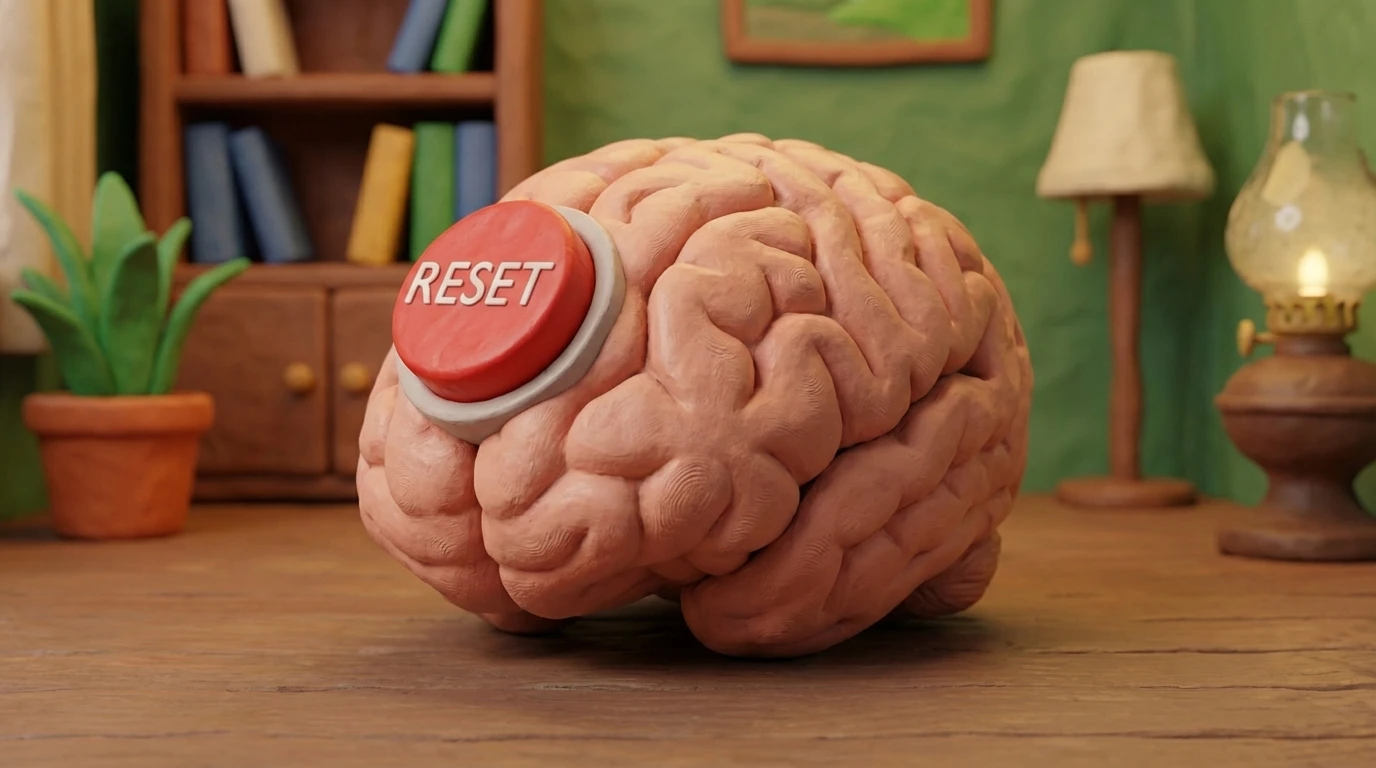
Let's be honest—your dopamine system is probably overloaded. Between endless scrolling, notifications, and quick dopamine hits, your brain has learned to crave intense stimulation constantly. That's where dopamine detox comes in. It's not about deprivation; it's about recalibrating what feels rewarding.
What Actually Happens During a Dopamine Detox
A dopamine detox isn't some extreme digital fast where you unplug completely (though some people do that). It's about consciously reducing high-intensity stimulation so your brain resets its baseline pleasure level. Think of it like this: if you're used to constant excitement, normal life feels boring. A dopamine detox makes normal life feel exciting again.
When you commit to reduced stimulation for 7-10 days, something shifts. That Netflix binge? Suddenly exhausting. Social media scrolling? Loses its grip. Reading a book feels engaging again. Working becomes less like pulling teeth.
The 30-Day Dopamine Detox Timeline
Days 1-7: The Withdrawal Phase
This is rough. Your brain throws a tantrum because its favorite dopamine sources are gone. Expect irritability, restlessness, and that nagging urge to "just check" your phone. This is normal. Power through.
Days 8-14: The Plateau
The intense cravings fade, but boredom kicks in hard. This is when most people fail—they reintroduce stimulation because "nothing feels good anymore." Stick with it. Your brain is recalibrating.
Days 15-30: The Reset
Around day 15, you'll notice something magical. Simple things feel rewarding again. A coffee tastes better. A walk feels interesting. Conversations become engaging. By day 30, you've essentially rewired your reward system.
The Science Behind It
Your brain has dopamine receptors that downregulate with constant overstimulation. When you constantly hit them with intense stimuli (social media likes, notifications, streaming), your brain responds by creating fewer receptors. You need MORE stimulation to feel good. A dopamine detox reverses this process by giving your brain time to upregulate those receptors naturally.
| Activity | Dopamine Hit Level | Recommended During Detox? |
|---|---|---|
| Social media scrolling | Extreme | ❌ No |
| Streaming/binge-watching | Very High | ❌ No |
| Gaming | Very High | ❌ No |
| Caffeine | High | ⚠️ Reduce |
| Sugary foods | High | ❌ No |
| Reading | Moderate | ✅ Yes |
| Walking in nature | Moderate | ✅ Yes |
| Meditation | Low | ✅ Yes |
| Journaling | Low | ✅ Yes |
Your 30-Day Action Plan
Week 1: Delete social media apps from your phone (you can still access them on desktop if absolutely necessary—but you won't). No streaming. No gaming. Replace with reading, walking, or simply sitting with your thoughts.
Weeks 2-3: Reintroduce ONE hobby that requires effort—drawing, writing, learning something new. Your brain is now hungry for actual engagement, not passive consumption.
Week 4: Carefully reintroduce technology. Check social media intentionally (15 minutes, twice daily max). Notice how it feels different now. You'll likely find you don't even want to stay long.
The Real Question: Is It Worth It?
Most people report that after 30 days of dopamine detox, their relationship with technology fundamentally changes. They're not addicted anymore. They're not bored with normal life. They're actually… present.
One thing to remember: this isn't about being "good" or "pure." It's about getting your dopamine system working for you instead of against you. After day 30, you can use technology intentionally instead of habitually. You can actually choose whether you want to scroll or not—instead of your brain choosing for you.
Start today. Your future self will thank you.